What to Do if You Get a Hunting, Fishing, or Shellfishing Citation on the Harbor | Rossback Firm

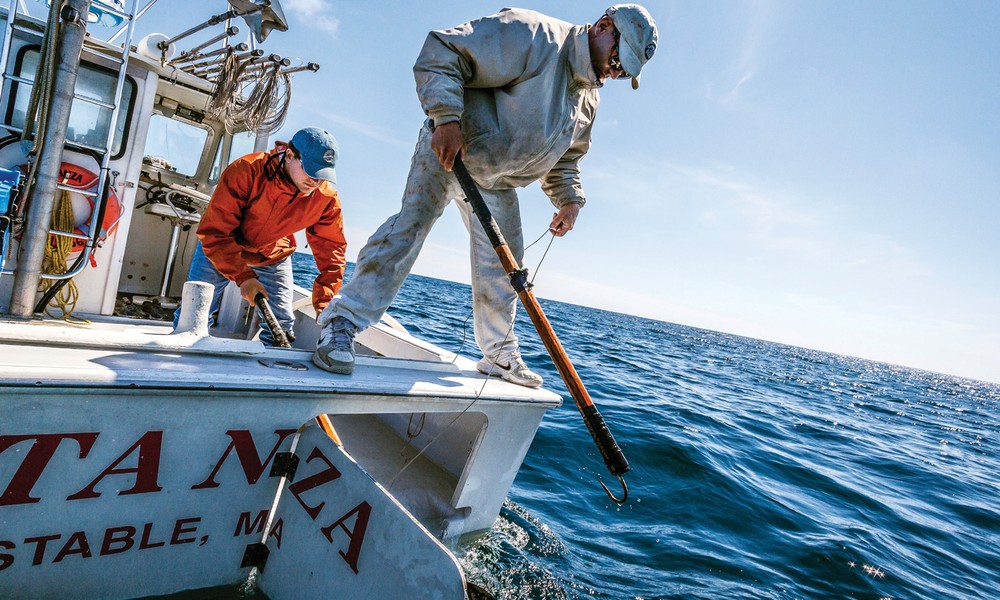
A WDFW officer walks up to your truck at the Copalis approach, asks for your license, and ten minutes later you’re holding a citation with a court date in Montesano. Maybe it was three clams over the limit. Maybe a salmon that should have been released. Maybe a steelhead taken from a closed stretch of the Humptulips. Whatever the specifics, the paperwork in your hand is not a parking ticket. Many natural resource violations in Washington are criminal misdemeanors, and treating one like a fine to mail in is how people end up with permanent records and suspended licenses. The team at Rossback Firm handles these cases regularly across Grays Harbor County, and the first thing we tell clients is that the citation deserves the same attention you’d give any other criminal charge.
Civil Infraction or Criminal Misdemeanor
The Revised Code of Washington and Title 220 of the Washington Administrative Code split fish and wildlife violations into distinct categories, and the difference matters more than the citation itself often suggests.
Natural resource infractions are civil. They carry monetary penalties and don’t go on your criminal history, but they can still trigger license suspensions and points against your record with the Department of Fish and Wildlife.
Misdemeanor and gross misdemeanor offenses are criminal. They can include up to 90 or 364 days in jail respectively, fines up to $5,000, and a conviction that shows up on background checks. Unlawful Hunting of Big Game in the Second Degree, Unlawful Recreational Fishing in the First Degree under RCW 77.15.370, and Unlawful Taking of Endangered Fish or Wildlife often fall into criminal territory.
Felony charges exist too. Spotlighting big game, commercial-level poaching, and certain repeat offenses can be charged under RCW 77.15 as Class C felonies.
The citation itself usually lists the statute or WAC section. Looking it up before your court date tells you which courtroom you’re walking into and what’s actually at stake.
Common Citations on Grays Harbor
Razor clamming is the most heavily ticketed activity on the coast. Officers walk the beach during every open dig from Mocrocks to Copalis to Twin Harbors, and citations stack up fast. Common write-ups include:
- Possession over the daily limit of 15 clams
- Failure to keep the first 15 dug regardless of size or condition
- Digging without a current shellfish license or harvest record card
- Sharing diggers, where one person digs another’s limit
The “first 15” rule under WAC 220-305-010 catches more people than any other regulation. Tossing small or broken clams back to keep digging for bigger ones is a violation, and WDFW enforcement watches for it specifically.
Salmon and steelhead infractions on the Chehalis, Wynoochee, Satsop, Humptulips, and Wishkah systems show up just as often. Wrong species retained, fishing a closed section, snagging, barbed hooks during selective gear rules, and exceeding daily limits are all routine charges. Wild steelhead retention is a particularly serious one because most Grays Harbor tributaries require release of wild fish, and a single retained native can be charged criminally.
Shellfishing out of season for oysters or hardshell clams in Hood Canal or south sound flats, taking Dungeness crab during closures, and digging clams from a beach with a current biotoxin closure also generate regular citations.
Hunting violations during deer and elk seasons in GMUs 648, 651, and 660 include hunting without tags, taking out of season, exceeding bag limits, and trespass on closed timber company land.
License Suspensions and the Points System
A criminal conviction for a fish and wildlife offense can suspend your hunting and fishing privileges for one year, two years, ten years, or life depending on the violation and your history. RCW 77.15.700 governs mandatory revocations for certain offenses, including waste of fish or wildlife and unlawful hunting of big game.
Washington also participates in the Interstate Wildlife Violator Compact. A suspension here can block you from buying licenses in 49 other states. Hunters who travel to Idaho, Montana, or Wyoming for elk season learn this the hard way when their license purchase gets denied at a sporting goods counter out of state.
What the Officer Wrote Down Matters
WDFW reports tend to be detailed. Officers document GPS coordinates, photograph evidence, weigh and measure fish, and often record statements made during the stop. Anything you said about where you were fishing, how many clams you’d dug, or whether you knew the regulation can appear verbatim in the discovery file.
Defense angles in these cases typically focus on:
- Whether the stop and any subsequent search complied with the Fourth Amendment
- Whether the officer correctly identified the species or measured the catch accurately
- Whether the closure or regulation was properly posted and publicly noticed
- Whether the alleged violation actually meets every element of the charged statute
- Whether a reduction to a civil infraction is available through negotiation
A reduction from a criminal charge to a civil infraction is often the practical goal. It avoids the criminal record, frequently lowers the financial penalty, and can preserve license eligibility.
Steps to Take Before Your Court Date with Rossback Firm
Save everything. The citation, any photographs you took, GPS data from your phone, the regulation pamphlet you were carrying, and receipts showing your license purchase. Write down what happened while it’s fresh, including the time, location, what the officer said, and what you said back.
Don’t contact the officer to “explain.” Statements made after the citation can be used against you, and there’s no upside to a follow-up conversation without counsel.
Check the WDFW regulations in effect on the date of the alleged violation. Rules change between seasons, and what’s posted online today may not be what governed your dig or your fishing trip last month. The annual sport fishing pamphlet and the WAC archive at app.leg.wa.gov are the authoritative sources.
Call before the arraignment date printed on the citation. Most of these cases land in Aberdeen Municipal Court, Hoquiam Municipal Court, or Grays Harbor District Court in Montesano, and each has its own rhythm for plea negotiations.
Hunting, fishing, and shellfishing tickets on the Harbor are not paperwork to ignore or pay blindly. The license consequences alone can reach across decades and across state lines, and the criminal exposure on the more serious charges is real. If you’ve been cited by WDFW anywhere in Grays Harbor County, Rossback Firm can review the report, identify the charge classification, and work toward an outcome that keeps your record clean and your seasons open. Reach out before your court date to give the case room to be handled properly.